Dingle Bells!

I’m just back from two and a half days in and around beautiful Dingle, Ireland and surroundings, and I regret to say that there’s no way I can show you everything. I’ll start out with several of our first stops and will try to keep up with my favorites a few at a time.

I never quite realized that there’s only one way to get to Dingle unless you happen to be driving a large truck or bus. All these years I suspected that my co-travelers were having fun torturing me, but apparently not. So yes, we did the Connor Pass, which is either miraculously gorgeous or head-spinningly dangerous, depending on your tolerance for screaming. The road is long and indeed winding, and the fog! Thick as thieves!

One of the highest mountain passes in Ireland, the path is winding and narrow, and the height is 410 meters (or 1345.13 feet) about sea level. With sheer drops and some roads too narrow for two cars to pass (they’re forced to back up and let one move forward at a time), a lot of people consider it great fun. Whether you love it or hate it, it’s absolutely a standout experience.

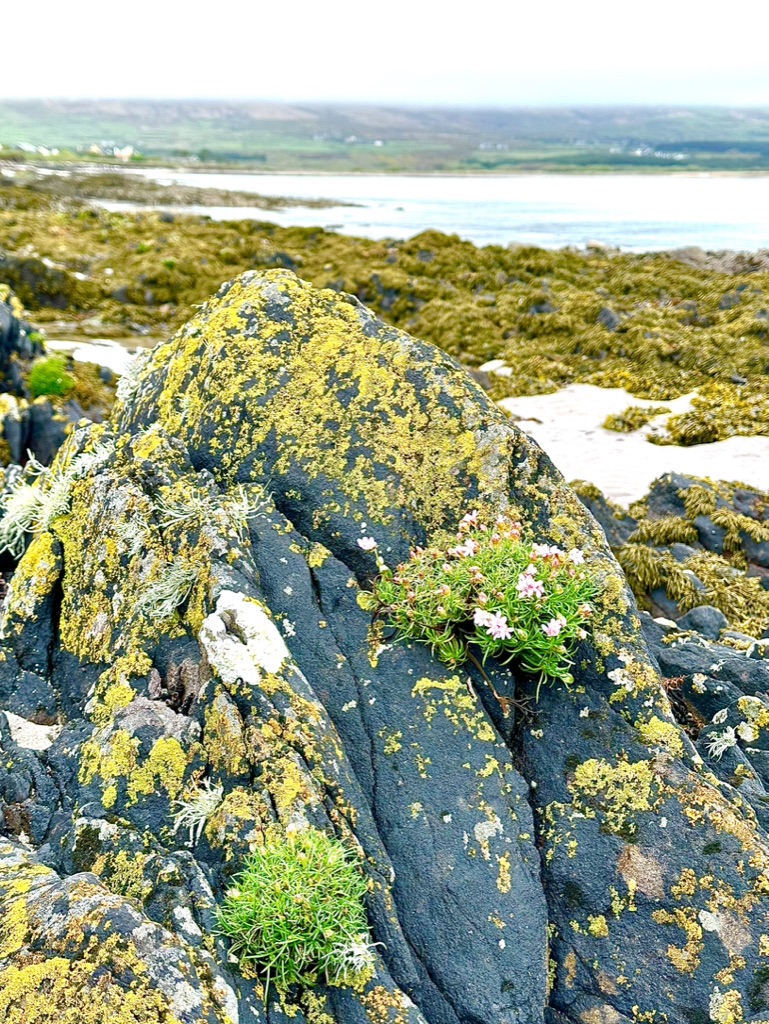
Closer to ground level, the sea is everywhere, and much closer to my comfort zone.

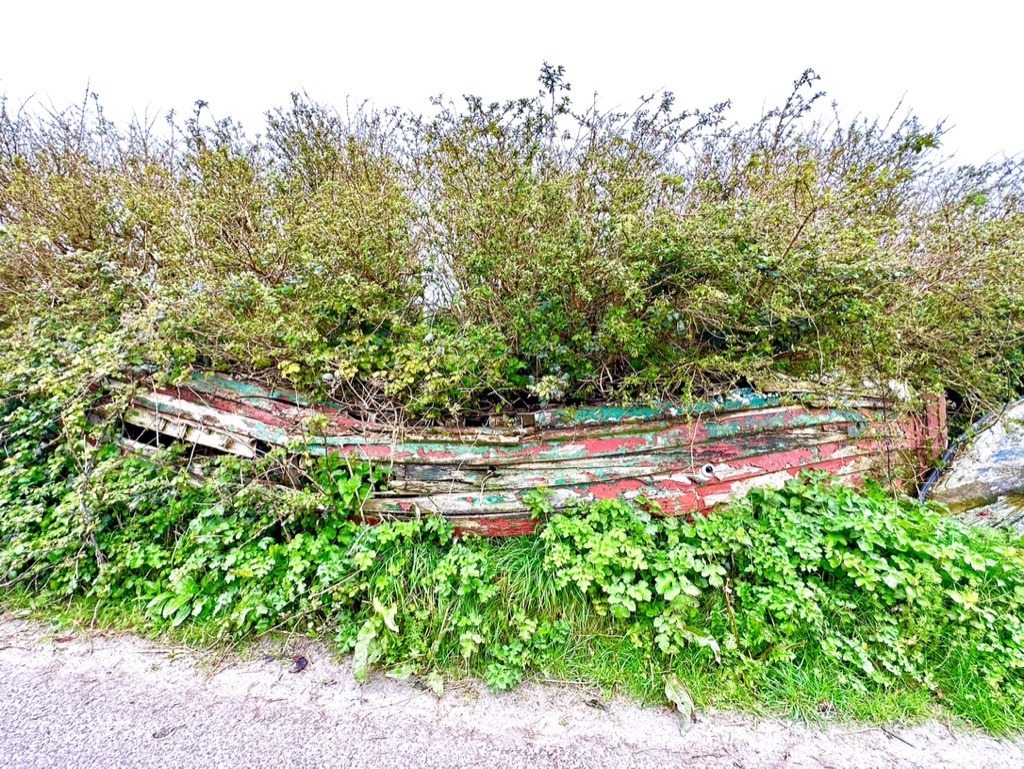
Below, you’ll see some of my favorites from Day 1.

Enjoy!
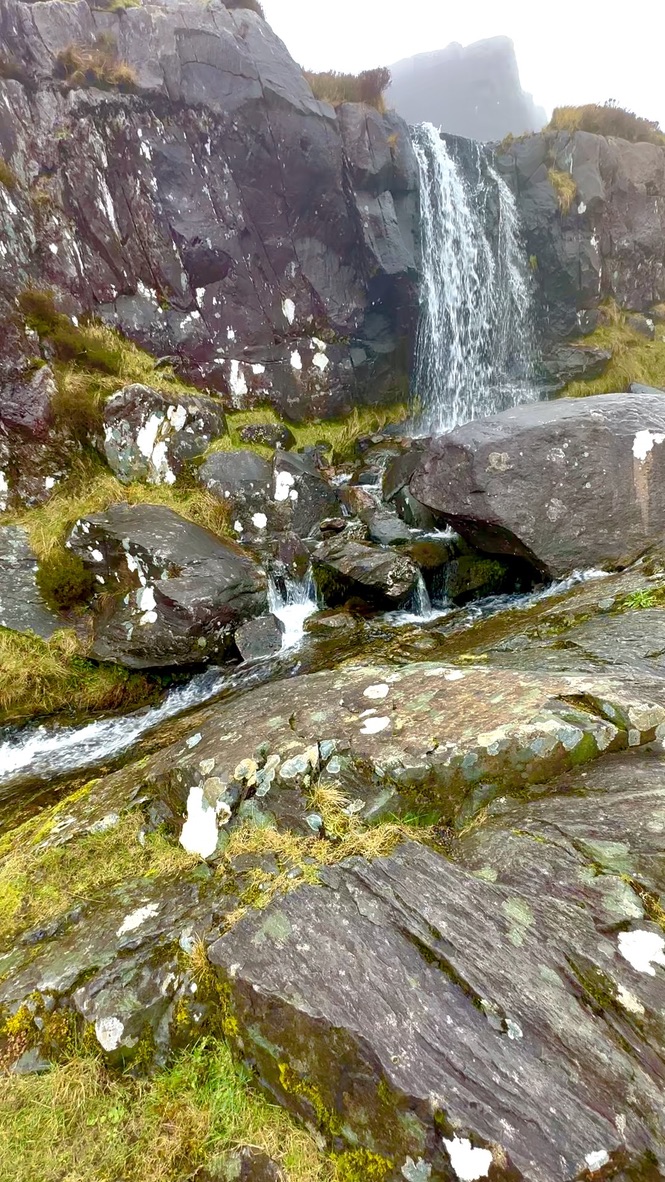
Left to Right and Top to Bottom:

1-3 are images from the Connor Pass.

The last six photos are from a beautiful and very secluded beach. Isn’t nature incredible?????


Inspired by a month-long artist residency graciously provided by Olive Stack Gallery, Listowel, Ireland, Day 18

Waterfalls and Stone Stacks

Above: Waterfalls on Garnish Island, Glengarriff, Beara Peninsula in County Cork

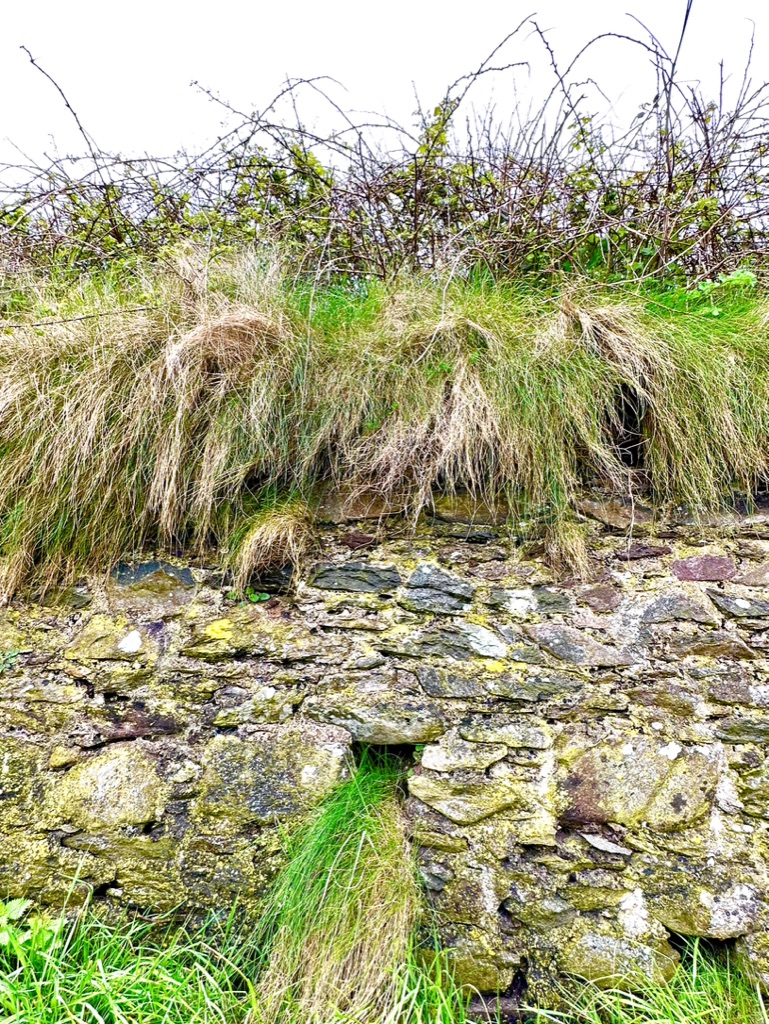
As I was beginning to pack for my trip to Ireland, I checked on the journey of friends already there. They stayed a few days after their residency and took the opportunity to study the art of stone stacking. Did you know that the rampant stone borders all across Ireland hold no mortar? Not a drop. And yet stacked stone walls across this land are ubiquitous, hardy, beautiful, and seem to last forever (in reality, 100 – 200 years).

How do they do it?

There’s no secret really — it’s simply the mindset.

While packing, I was also yearning to revisit a site I saw only momentarily several years ago — wondering how I could get back there and, more importantly, where exactly it might have been. It was a lovely spot that I hadn’t been able to get out of my mind for several years.

It was, of course, the the exact location where my friends had returned to build magical walls.

I like to call these intersections freak coincidences, but they are likely neither freakish nor coincidence. They are simply what they were meant to be.

And so I find myself wondering again and again —

What exactly is coincidence? Is it Fate? Chance? Will? Calling?

And if I was called to this village of 140 people once, answered the call, and then felt called again to the very same place on this planet, what does that mean?

What am I here to learn?

And am I learning it?

Does it call to you as well?

Below: It’s estimated that the Irish countryside has over 400,000km of dry-stone walls, and many of those still standing were built during the Irish Famine, less than 200 years ago. The walls were built to separate and protect crop fields as well as to create separate fields for livestock grazing.

Inspired by a month-long artist residency graciously provided by Olive Stack Gallery, Listowel, Ireland